Don’t Be a Fox: Short-term Savings vs. Long-term Results
LINKEDIN.COM/PULSE/FROM-GOOD-GREAT-HEDGEHOG-CONCEPT-DAVID-SENA/
Years ago, I spoke at a conference in Australia about successful maintenance organizations and the “Fox versus the Hedgehog” approach. Jim Collins’ book Good to Great, published in 2001, may sound old today; but the message is a great and timeless one. A hedgehog is simple, focused, and driven by a singular vision or goal; a fox is clever, adaptable, and knows many strategies to achieve its goals.
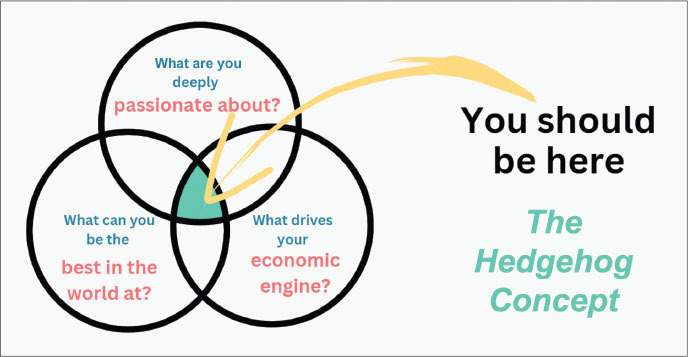
The fox also lacks focus and often gets distracted by its pursuit of multiple goals or strategies. So, while foxes tend to spread themselves too thin to excel in any one area, hedgehogs excel because they recognize their unique strengths and core competencies, they understand what drives their economic engine, and they know what they are deeply passionate about, which fuels motivation.
The concepts of the fox and the hedgehog are derived from the ancient Greek parable: “The fox knows many things, but the hedgehog knows one big thing.” And I think this metaphor is excellent in exploring how companies achieve greatness.
My presentation was based on a survey in which we had asked several organizations if they considered themselves foxes or hedgehogs. Only 16.7 percent of those surveyed thought they were hedgehogs, and the rest viewed themselves as foxes or a mix of fox and hedgehog organizations. The data told me what I already knew: that most organizations take a short-term approach to cost reduction and savings. In the long term this will be very costly.
FELLMER.COM/PAPER-TECHNOLOGY/DRY-END/DRYER-SECTION/
CASE STUDY IN A PAPER MILL
It is a timeless example; I frequently see it in organizations I work with today. One commonality is that cost reduction initiatives almost entirely focus on visible cost reductions, while waste built into the day-to-day work systems is overlooked or ignored. Let’s take one assessment I made in a big paper mill as a pointed example. I hope you do not recognize any of these issues, but if you do, you are not the only one.
In this big paper mill, it was not at all uncommon that operations and maintenance shutdown schedules were wide open until the very morning of a shutdown. In turn, the standard time estimate for shutdown of an area was estimated at about 10 hours if all necessary work was to be completed.
A first step to save money was cutting the shutdown to eight hours. This meant that some work had to be postponed. Bringing in more contractors to complete all necessary work would cost too much “visible” money.
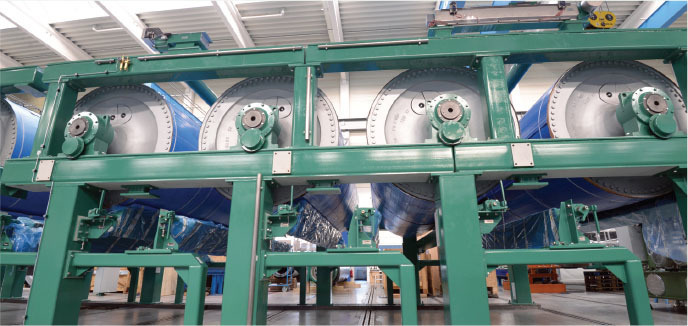
“Perhaps we can run the three rotary steam joints until the next shutdown; they aren’t leaking yet. We know from the PM inspection reports that the carbon rings in these joints only have about 1/8″ thickness left, but we can take the risk,” came one suggestion. So, these jobs were cancelled—along with some other work deemed as not urgently needed.
During the mid-shutdown meeting, the operations manager added three jobs that had been forgotten and had not been put on the maintenance schedule before the shutdown, which delayed the startup by three hours.
RW-COUPLINGS.COM/INDUSTRIAL-COUPLINGS/FLEXIBLE-GEAR-COUPLINGS/
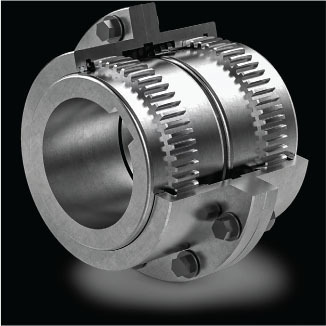
Another issue was a coupling that needed to be replaced for one dryer section drive. After pulling the coupling off the shaft, the crew discovered that the coupling had not been requested from the store. When they finally found it, they saw that it was not prepared to the right shaft diameter, nor did the keyway fit. This was one of the final jobs, so no time was given to properly prepare the coupling. The crew put the old coupling back on and welded it together, to be fixed properly later.
At startup, the steam system was started too fast, resulting in a lot of water hammer in the pipe systems. A consequence of this was that two of the three carbon rings in the rotary steam joints cracked and the joints started to leak. They could be shut off, but this would result in a 10 percent slowdown of production speed. Also, the cost of repairing the joints went up by 10 times because of the damaged seal surfaces.
The coupling lasted through the startup but was forgotten and, three months and three shutdowns later, the bearings in both motor and gearbox failed. The welded coupling was too stiff and misaligned. This caused six hours of unscheduled lost production and racked up additional maintenance costs.
THE ROOT(S) OF THE PROBLEM
The problems in this example include poor discipline in prioritization of work, failure to act on PM inspection reports, lack of closing time for shutdown schedules, too easy to add on a job even during a shutdown, and basic lack of planning. Situations like these were nothing new to this paper mill; it had always been this way, so the waste was known and accepted.
In my assessment, I communicated to the paper mill that the fix would take time because it included a change in company culture. Their answer wasn’t optimal, yet it is a common one:”Right now, we need to save what we can in the short term, so we do not have time to deal with this at this time; plus, it will cost money to improve our work system.”
The time and cost to improve is visible cost; the existing waste is embedded in the work system and invisable. So instead of improving long term and saving long term waste, the visible short-term cost saving initiatives overshadow the long-term results.
Examples of this type of thinking include: cancellation of training programs; reduction in number of planners and supervisors; postponing needed maintenance work; and reduction of lubricators and handing this important task to operators without training.
These are not uncommon results. It is understandable that costs must be reduced; this is needed to survive. But in order to improve and stay competitive, plants must take a longer-term approach to improvment initiatives.
Not only are the short-term savings short sighted, they often worsen the situation. A long-term company culture change initiative, on the other hand, will improve performance substantially, but it might take three to five years. The good part is that the cost is mainly to do better with what you already have.
In the long run (pun intended), the hedghehogs come out he winners. Don’t be a fox.